
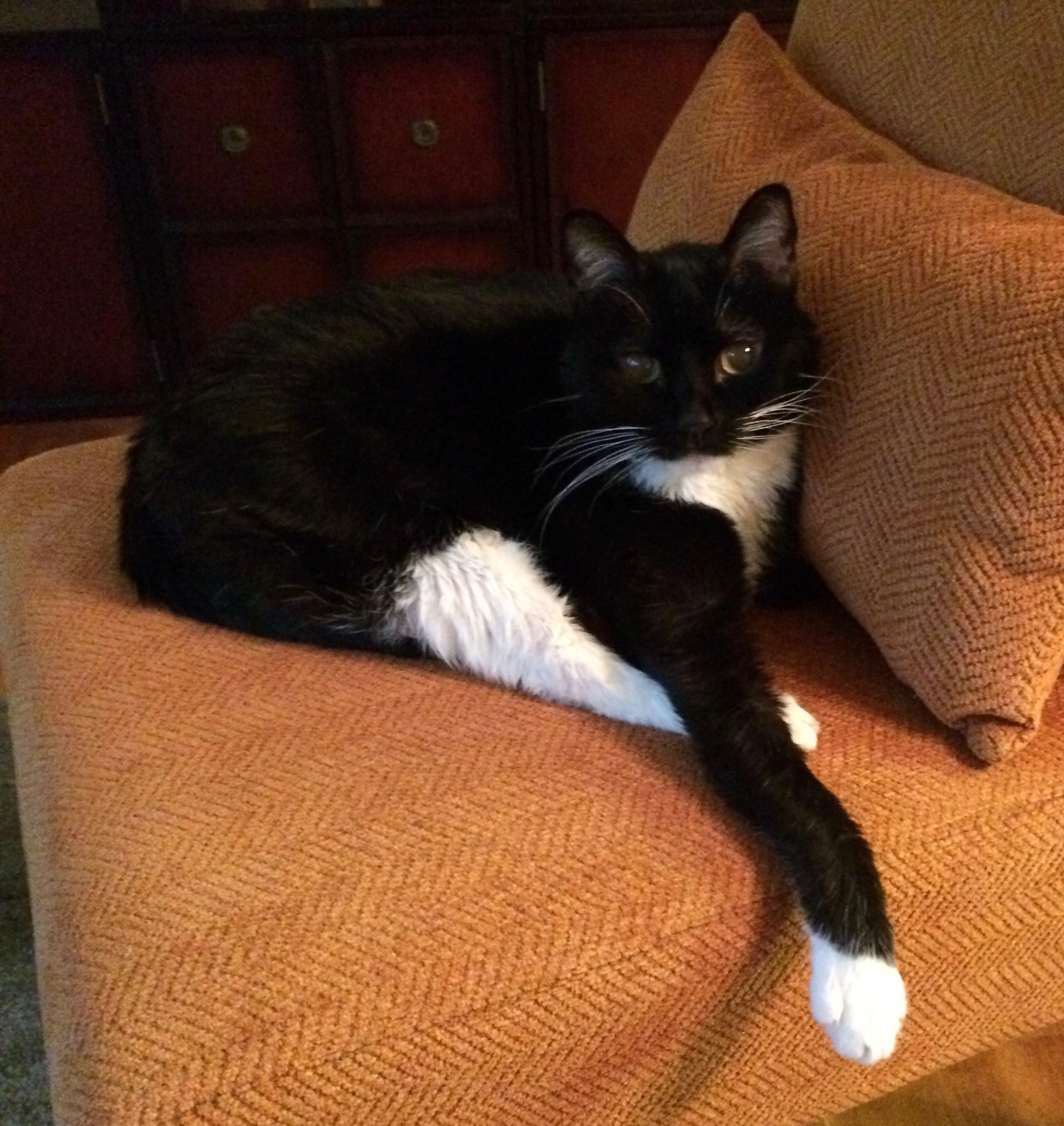
Having a plan in place for what will happen to your animals should you die is a responsibility not to be taken lightly. Leaving that decision for someone to make after you die may not be in the best interests of either your pet or the person left to make the decision. Particularly if you die unexpectedly kitty may be overlooked in the chaos and trauma accompanying such an event.
The primary objectives of your plan should be the safety, welfare and happiness of your pet. What options might be available to you?
The ideal situation would be to re-home kitty with a friend or relative who already knows him, someone you have confidence in to provide him a good life. This would likely be the least upsetting for both you and kitty. If you are fortunate enough to have this option, have an in-depth discussion with this friend or relative to ensure they know what they’d be agreeing to.
Another option is to talk with your vet to see if they would oversee re-homing kitty. Often a vet will know of caring people who would love to take your pet and not infrequently, it will be someone who works in the vet office. In this instance you may decide to leave a financial contribution for the care of your pet. If you go this route, draw up a written agreement outlining both parties’ commitments.
A third option is to consult with your local animal shelter or adoption group. Both these sources can give you some sense of the adoption prospects for your kitty based on his age, personality, etc. And while you may not like the idea of your kitty going into a shelter, shelter staff are generally people who love animals and have the expertise and passion to care for them until they can find a new home. You could also provide a monetary contribution for your pet’s care.
Other Things to Do
- You can legalize your wishes by including them in a will or trust. If this is of interest, consult with your attorney or contact the Vermont Bar Association to get a list of attorneys who practice estate planning and animal law. Animals are regarded as personal property and thus, can be bequeathed in a will along with care instructions. A trust can be implemented while you are still alive and, for example, are no longer able to care for kitty. Both wills and trusts can be changed if your circumstances change.
- Keep a card in your wallet detailing the name(s) of your pet(s) and who should be contacted in case of an emergency.
- Create a separate file on each of your pets including personality; eating habits; preferred food; any medical information or medicine being administered; likes and dislikes; litter box behavior; and anything else a caregiver might need. Include a color photo of kitty. Make sure your designated caregiver knows where to find the file.
Taking care of these details well in advance of when they’re needed will give you peace of mind and the confidence that, if you’re not around, you’ve done all you could to ensure a happy and safe life for your furry companion.